
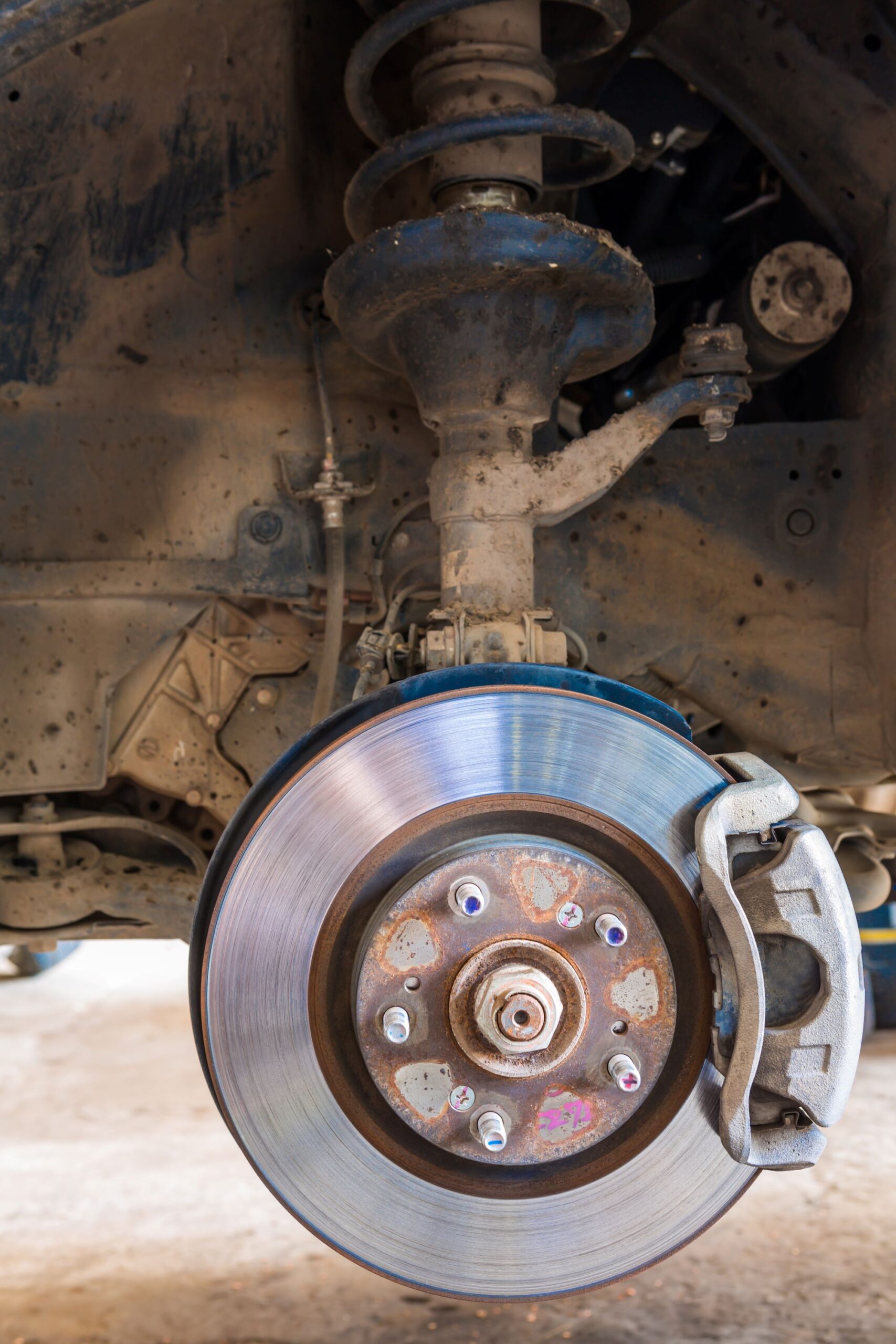
Everyone obsesses over horsepower, body styling, and engine upgrades but none of that matters if your braking system fails at the wrong moment. The truth is harsh, most drivers don’t take brake system maintenance seriously until the car scares them. Until it shakes. Until it screeches. Until they press the pedal and the response feels… delayed.
People forget the uncomfortable truth. Your brakes are the only thing standing between you and a collision.
Not the airbags. Not the seatbelt. The brakes.
That’s why brake system maintenance isn’t a recommendation it’s survival.
And if you think you’re safe because your car feels fine, you’re exactly the person who’s at risk. Brakes don’t fail in a dramatic, cinematic moment. They fade in silence. Slowly. Quietly. Predictably. Then suddenly.
The Anatomy of Safe Driving Involves
Most people think brake system maintenance is just changing pads. Wrong. Pads are only one small part of an engineering ecosystem designed to absorb heat, convert kinetic energy, and stop a two-ton machine with precision. If you’re serious about safety, here’s what brake system maintenance actually covers:
1. Brake Pads: Your First Line of Defense
Brake pads grip the rotor to create friction. Over time, friction wears them down. Simple.
But here’s what most people miss:
- Worn pads damage the rotor.
- Cheap pads glaze and lose stopping power.
- Low-quality pads heat faster and fade sooner.
Brake system maintenance starts here because everything else fails faster when this one part is neglected.
2. Brake Rotors: The Silent Worker
Rotors take the beating heat, pressure, speed. They do the dirty work, but drivers rarely check them.
Signs they need replacement:
- Vibration when braking
- Grooves or scoring
- Blue heat patches
- Reduced stopping efficiency
You can replace pads all day, but if the rotor is warped, your braking performance collapses.
3. Brake Fluid: The Most Ignored Part of Brake System Maintenance
Brake fluid absorbs moisture over time. When moisture enters the system:
- The boiling point drops
- Pedal response weakens
- Brakes fade under pressure
Every serious mechanic will tell you this:
Old brake fluid is as dangerous as worn brake pads.
Yet 8 out of 10 drivers don’t even know when they last changed it.
4. Brake Calipers: The Muscle of the System
Calipers apply pressure to the pads. But calipers also seize, rust, and fail quietly.
Symptoms:
- Car pulling to one side
- Burning smell after driving
- Uneven pad wear
This is why a full brake system maintenance routine must include inspection of calipers not just pads.
Warning Signs You’re Ignoring That Demand Immediate Brake System Maintenance
Here’s where most people get into trouble. You experience the signs, but your brain dismisses them:
- The squeaking will go away.
- Maybe it’s the weather.
- I’ll fix it next month.
Your braking system doesn’t work on hope. The warning signs matter.
Look for:
- Grinding sounds
- Spongy pedal feel
- Car shaking under braking
- Burning rubber smell
- Brake warning light
- Increased stopping distance
If any of these appear, you don’t need advice you need a mechanic today.
What Happens When Brake System Maintenance Comes Too Late
People think maintenance is expensive. But neglect?
Neglect is catastrophic.
Failing to do proper brake system maintenance can cause:
1. Rotor Damage
Which costs 5–10× more than brake pads.
2. Caliper Seizure
Which destroys the entire braking assembly.
3. Brake Failure Under Pressure
High-speed braking is where failures happen. And by then, it’s too late.
4. Accidents That Could Have Been Prevented
Every year, thousands of collisions happen not because of bad roads or bad luck but because of bad maintenance.
Good brake system maintenance isn’t an expense.
It’s a form of insurance. A shield. A commitment to survival.
A Simple, Reliable Brake System Maintenance Checklist Anyone Can Follow
Stop complicating this. You don’t need to be a mechanic you just need consistency.
Here’s the exact routine you should follow:
Every 3–6 Months
- Inspect brake pads
- Check rotor condition
- Test pedal feel
- Listen for noise
- Confirm brake light function
Every 12 Months
- Full brake system inspection
- Check brake lines
- Inspect calipers
- Measure rotor thickness
Every 2 Years
- Replace brake fluid
- Flush system if needed
Immediately (Not Tomorrow)
If your car vibrates, squeals, pulls, smells, or hesitates—
you don’t need a schedule, you need a mechanic now.
Conclusion
At the end of the day, brake system maintenance isn’t something you do for your car it’s something you do for your life. Engines give you speed, but brakes give you a future. Every inspection, every fluid change, every pad replacement is a small act of responsibility that protects you, your family, and every driver sharing the road with you. Ignore it, and the consequences are permanent. Prioritize it, and your vehicle will perform exactly the way it was engineered to with safety, precision, and control.
If you take only one lesson from this: maintaining your brakes isn’t optional. It’s survival.


