





Description
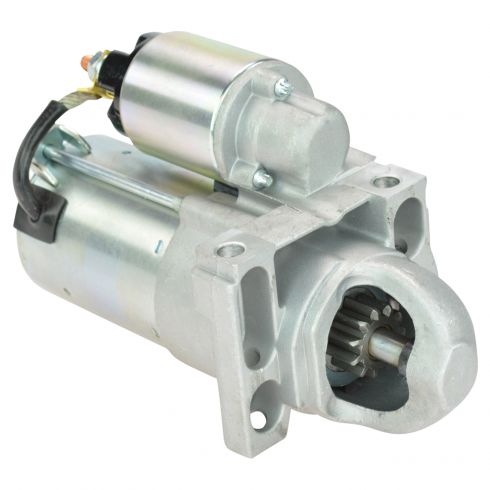
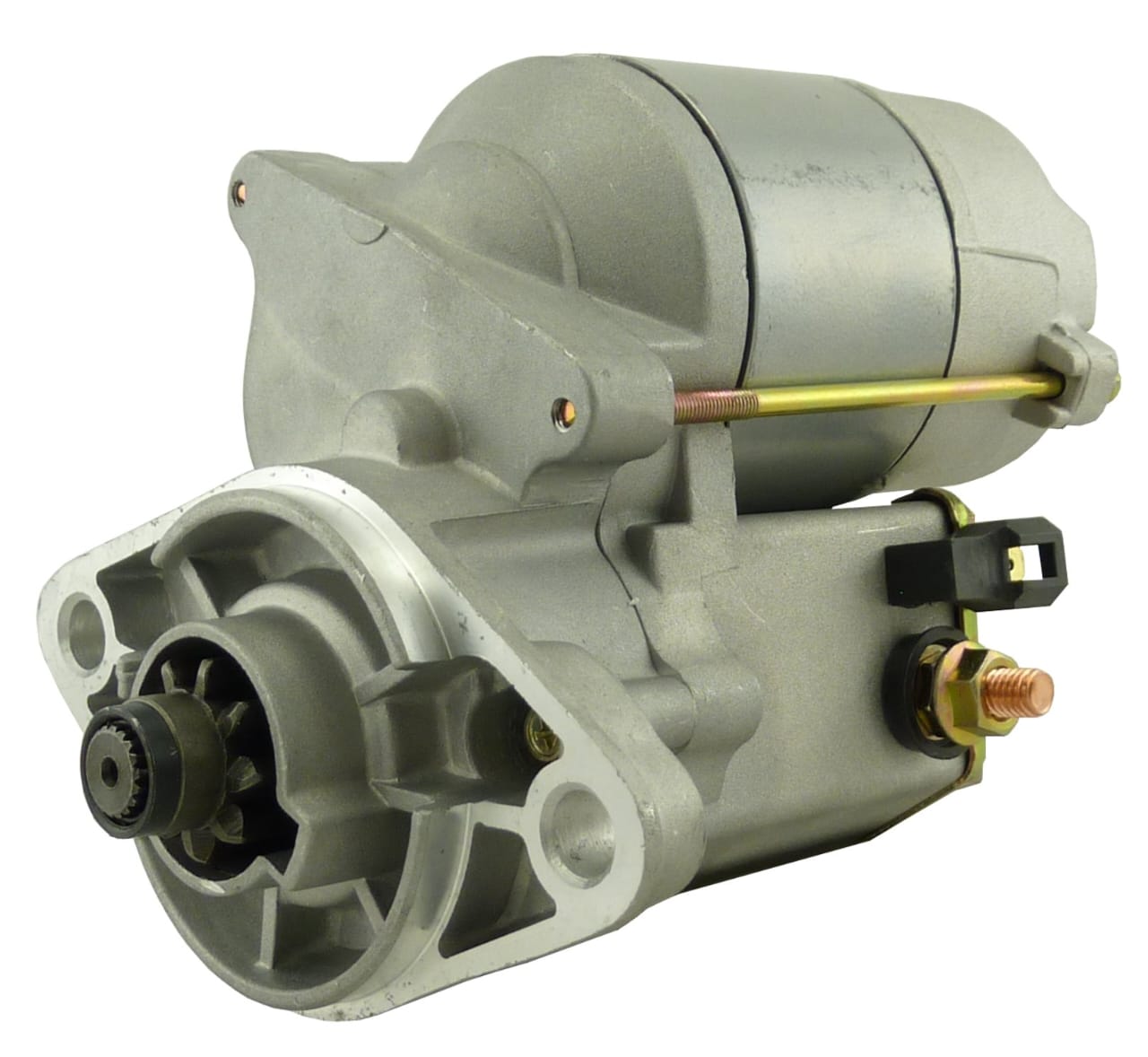
A car’s starter motor is a powerful electric motor that, when the ignition is turned, briefly cranks the engine to start the combustion process. It receives power from the car’s battery and uses a solenoid to engage a gear with the engine’s flywheel, which then rotates the engine’s crankshaft to get it running. Once the engine is self-sustaining, the starter motor disengages.
How it works
- Ignition: When you turn the key or press the start button, the ignition switch sends a signal to the starter motor’s solenoid.
- Engagement: The solenoid acts as both a switch and an actuator. It completes the circuit from the battery to the electric motor and pushes a small gear (pinion) forward to mesh with the large teeth on the engine’s flywheel.
- Cranking: This provides the initial torque needed to turn the engine’s crankshaft, which in turn powers the pistons and initiates the combustion cycle.
- Disengagement: As soon as the engine starts and runs on its own power, the solenoid retracts, and the starter motor disengages from the flywheel.


Reviews
There are no reviews yet.